
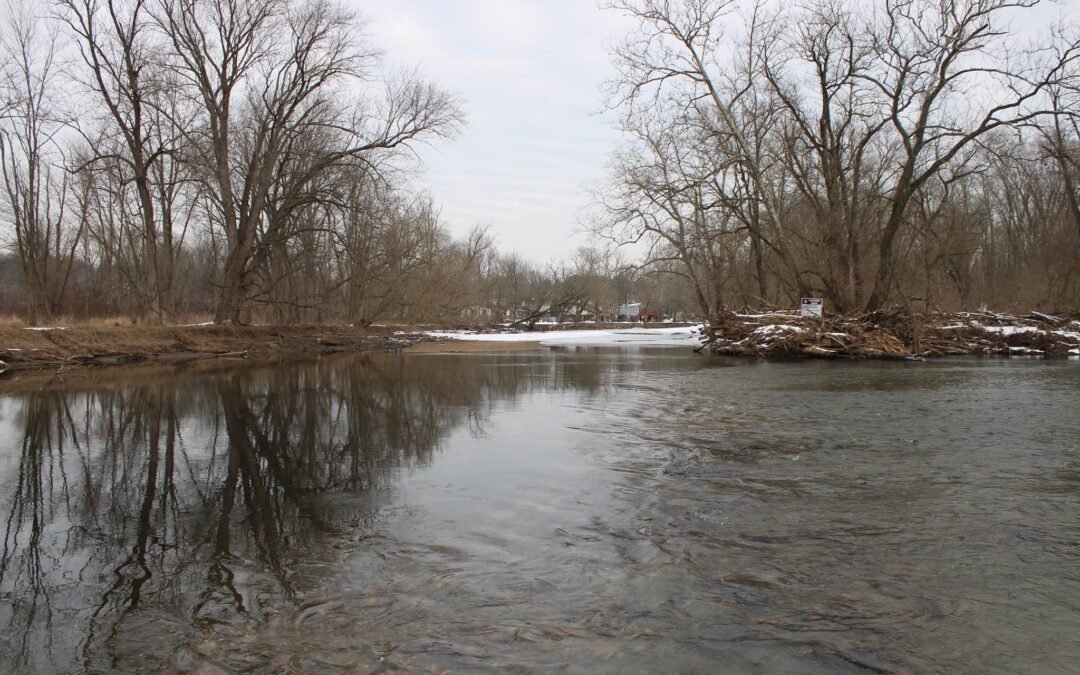
Removing a dam may be done for various reasons, such as public safety, fish passage, or if it’s just outlived its usefulness. But once the dam is removed, what happens next?
-
- What happens when stagnant water begins moving again?
- Do fish immediately move upstream?
- How does the change affect insects, birds, amphibians, and mammals living in and around the waterway?
The answers unfold over time as a reservoir environment transitions back to a free-flowing stream. Here are just a few changes you can expect to see after a dam is removed.
1. Aquatic Habitat Begins to Change
After a dam’s removal, the slow or stagnant water that was behind the barrier begins flowing freely again. A professional environmental excavating team can help restore the stream to its natural state at this point, with improved stream banks, riffles, and runs that allow the water to move through the channel at different depths and speeds. Soon, the stream’s temperature, oxygen levels, and gravel beds improve, providing fish with ideal habitat to feed, rest, shelter, and reproduce.
2. Fish Regain Access to Habitat
For fish, a stream is their only route to feeding areas, spawning grounds, nursery habitat, and other places they’re drawn to innately throughout their lives. A dam can abruptly end that journey and frustrate their natural cycles. Removing a dam reconnects those habitats, including thermal refugia, pockets of cooler water that can be particularly important to trout during warmer months.
There’s not always an immediate rush of fish upstream, however. Native populations may take multiple generations to rebuild as fish gradually discover and occupy the newly accessible habitat.
3. Trapped Sediment Starts Moving
Dams interrupt the natural movement of sediment, wood, rocks, and other material downstream. Removing the barrier releases some of what has accumulated, which, initially, can increase water’s turbidity and disturb aquatic organisms as sediment moves through the system. Over time, however, restoring that sediment movement helps rebuild natural streambed conditions and improve habitat. Wild brown trout, for example, rely on suitable streambed materials for spawning.
4. Aquatic Life Reestablishes Itself
The effects of reconnecting a waterway extend well beyond the species swimming through it. As flowing-water habitat returns, aquatic insects and other organisms can recolonize the restored portions of a river or creek. Their return matters because these organisms form an important link of the food chain, providing food for fish as well as birds, amphibians, and other wildlife.
5. New Streamside Habitat Develops
Removing a dam exposes land that had previously been underwater. At first, these areas may look muddy, bare, and disrupted. But as vegetation becomes established, they can develop into riparian habitat along the restored waterway. Those vegetated areas will then provide food and shelter for birds, mammals, reptiles, amphibians, and insects while helping to stabilize the recovering streambank.
The Ecosystem Finds a New Balance
What was once a reservoir environment doesn’t become a healthy, free-flowing stream overnight after a dam is removed. But over time, the water’s depth, velocity, and temperature change, sediment moves downstream, vegetation returns, aquatic organisms recolonize, and wildlife responds to the changing habitat. Returning a waterway to its natural state helps the surrounding ecosystem find balance.
If you’re considering removing a dam from your property, contact us at Flyway Excavating. We’ll help you understand the process, from inspection to removal, and discuss the safety and ecological benefits your project can bring.