
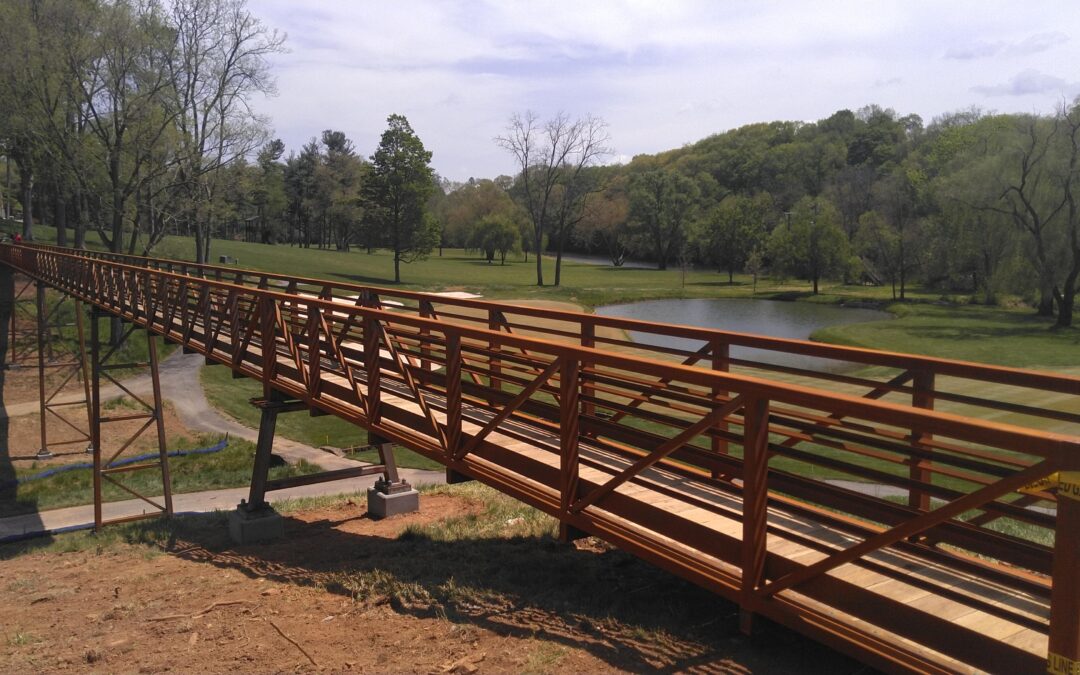
You may already be familiar with excavation — the process of removing soil, rock, and debris to prepare land for construction work. In environmental excavation, often the goal is to remove contaminated soil or reshape land and waterways to restore natural systems. For example, this type of excavation is often used in stream or wetland restoration projects.
Environmental excavation may seem overwhelming if you’ve never been involved in this type of project before. It does require some specialized knowledge and equipment, so working with an experienced excavation company can help ensure it runs smoothly and complies with environmental regulations.
At Flyway Excavating, we know that a client who is educated and makes informed decisions will get better outcomes. To help you learn the basics of environmental excavation, we’re answering some of the most common questions we hear.
How Do I Know If I Need Environmental Excavation?
Environmental excavation may be necessary when soil or water contamination is discovered on your project site, when land needs to be prepared for development, or when streams or wetlands require restoration to improve water flow or ecosystem health.
Why Is Environmental Excavation Important?
Environmental excavation protects groundwater, improves site stability, and restores natural habitats. It addresses contamination and erosion issues early, which prevents larger environmental and structural problems later.
What Steps Are Taken Before Excavation Begins?
Preparing for excavation usually begins with a site review where engineers and environmental specialists analyze soil composition, contamination levels, water flow, drainage patterns, and erosion risks. Property owners may need to ensure access to the work area and confirm property boundaries before work begins.
What Should I Expect During a Site Excavation Project?
You can expect heavy equipment on-site and, possibly, temporary changes to access routes during excavation. Depending on your site’s needs, environmental projects may involve:
- Soil removal and replacement
- Grading and earth shaping
- Sediment and erosion control
- Streambank stabilization
- Native-plant reintroduction
- Habitat restoration
These methods help ensure both environmental protection and long-term site stability.
How Is Soil Moved in an Excavation Project?
Excavators, backhoes, track loaders, dump trucks, and grading equipment are common in excavation projects of all types. In environmental excavation, they may be combined with techniques that minimize ground compaction or impact to the surrounding environment. It is essential to have as little impact on the site as possible when performing environmental excavation, so working with an experienced contractor that understands the nuances of such an undertaking is an important decision to make.
What Safety Measures Are Taken Before and During Excavation?
Before excavation begins, contractors locate underground utilities, review environmental regulations, and establish safety zones. During the project, our crews follow strict safety protocols, including equipment inspections, erosion-control measures, and site monitoring to protect workers, nearby properties, and surrounding ecosystems.
Can Excavation Be Done in Winter?
In many cases, yes. Excavation can occur in winter if conditions allow safe equipment operation. Frozen ground, snow, or adverse water-flow conditions may affect scheduling, but experienced contractors can adapt techniques to seasonal conditions.
How Do I Choose the Right Excavation Contractor?
Look for contractors with experience in environmental work and regulatory compliance. Environmental excavation often requires specialized knowledge of soil management, waterway restoration, and permitting requirements. Ask your prospective excavation contractor:
- What experience do you have with environmental excavation (and waterway restoration if applicable to your project)?
- How will soil or sediment be handled and disposed of?
- What timeline should I expect for the project?
- What permits or environmental approvals may be required?
Your Partner for Environmental Excavation
Environmental excavation involves careful planning, specialized expertise, and a strong commitment to protecting our ecosystems. For more than 30 years, Flyway Excavating has helped developers, municipalities, and property owners understand the process and approach these projects with greater confidence.
In addition to waterway restoration projects, Flyway’s excavation services can also prepare sites for construction work on buildings, roads, parking lots, athletic fields, and more. Contact us today to learn more about environmental excavation and how we can help with your project.